
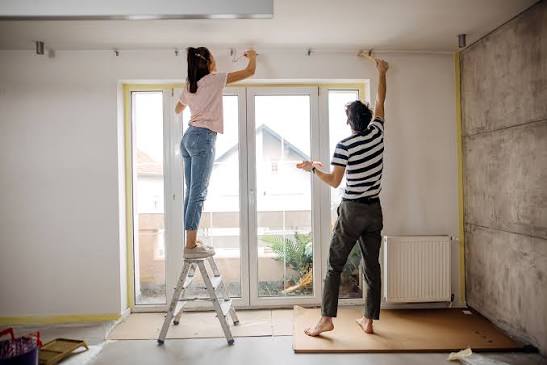
Should I Renovate Before Selling Your Home?
When preparing to sell your home, one of the biggest questions homeowners ask is: “Should I renovate before putting my house on the market?”
The answer depends on your home’s condition, your local market, your budget, and the type of buyer you want to attract. While some updates can increase your home’s appeal and help you sell faster, major renovations don’t always provide the return on investment homeowners expect.
Before investing time and money into improvements, it’s important to understand which projects are worth doing—and which may not make a difference.
Why Renovating Before Selling Can Help
A well-presented home can create a stronger first impression, attract more buyers, and potentially lead to better offers.
Increase Buyer Appeal
Buyers are often drawn to homes that feel clean, updated, and move-in ready. Simple improvements can help your property stand out from competing listings and allow buyers to picture themselves living there.
Fresh paint, updated lighting, improved landscaping, and professional staging can make a significant impact without requiring a major investment.
Help Your Home Sell Faster
Homes that appear well-maintained often generate more interest and fewer objections during showings. Buyers may be more willing to make an offer when they feel confident they won’t need to complete immediate repairs after moving in.
Address Issues That Could Affect the Sale
Some improvements are less about adding value and more about avoiding problems during negotiations. Repairs such as fixing leaks, replacing damaged flooring, addressing outdated electrical issues, or repairing visible defects can prevent buyers from requesting costly concessions later.
Renovations That Often Provide the Best Return
Not all upgrades are equal. Before selling, focus on improvements that create a noticeable difference while keeping costs reasonable.
Fresh Paint
A new coat of paint is one of the simplest ways to refresh your home. Neutral colors can make rooms feel brighter, cleaner, and more appealing to a wider range of buyers.
Improve Curb Appeal
The outside of your home is the first thing buyers see. Simple upgrades such as landscaping, pressure washing, updating the front door, or adding attractive outdoor lighting can create a strong first impression.
Update Kitchens and Bathrooms Strategically
Kitchens and bathrooms are important selling points, but a complete remodel may not always be necessary. Smaller updates—such as replacing hardware, updating fixtures, painting cabinets, or improving countertops—can modernize the space without a major expense.
Make Necessary Repairs
Buyers often notice deferred maintenance. Taking care of obvious repairs before listing can make your home feel more cared for and reduce negotiation issues after inspections.
Renovations That May Not Be Worth the Cost
Some projects can be expensive without providing a meaningful return when you sell.
Major Luxury Upgrades
High-end finishes and personalized renovations may appeal to you but not necessarily to future buyers. A custom renovation can limit your audience if it doesn’t match local buyer preferences.
Over-Improving for Your Neighborhood
It’s important to understand your local market. A large renovation may not add enough value if your home becomes significantly more expensive than similar properties nearby.
Projects Based Only on Personal Taste
Bold design choices, unusual layouts, or highly customized features may not appeal to everyone. When preparing to sell, the goal is usually to create a welcoming home that allows buyers to imagine their own style.
Consider Your Timing Before Renovating
Renovations take time, and delays can affect your selling timeline. Before starting a project, consider:
- How long will the renovation take?
- Will the project be completed before listing?
- Will the improvement actually increase your home’s value?
- Could the money be better used for your next home purchase?
- Are buyers in your market looking for updated homes?
Sometimes selling sooner at the right price is better than spending months completing renovations.
The Best Improvements Are Often the Simplest Ones
Many sellers assume they need a major renovation to compete in the market, but small improvements can often deliver the greatest impact.
Decluttering, deep cleaning, organizing, improving lighting, and professionally staging your home can make it feel larger, brighter, and more inviting.
Talk to a Real Estate Professional Before You Renovate
Before spending thousands of dollars on upgrades, get advice from someone who understands your local market. A real estate professional can help you identify which improvements are likely to attract buyers and which projects may not provide a worthwhile return.
The goal isn’t to create your dream home—it’s to prepare your home so buyers can see its value.
A smart pre-sale strategy can help you sell with confidence, maximize your return, and avoid spending money on updates that won’t make a difference.